A child's speech and language development easily raises questions. Is my child talking enough? Should others already be able to understand their speech better? Or what if the child talks a lot, but doesn't always seem to understand what's being said to them?
There can be many different reasons behind seeking speech therapy. Sometimes the concern relates to producing speech, sometimes to understanding, to interaction, or to the child not yet having enough ways to express themselves.
Speech therapy is not, then, only about practising sounds. A speech and language therapist looks at the child's communication, speech, language and interaction as a whole.
What kinds of things can raise concern?
There is a lot of individual variation in children's development. A single skill, or its absence, doesn't on its own tell you whether a child needs speech therapy.
A closer assessment may be needed, however, for example when:
- speech development is clearly slow to get started
- the child has few words or expressions for their age
- the child finds it hard to form sentences
- the child's speech is hard to understand
- understanding speech seems challenging
- the child finds it hard to learn new words or concepts
- the child finds it hard to talk about things or take part in conversation
- there are challenges with interaction or communication
- the child needs other means of communication alongside speech
- communication difficulties cause frustration or make everyday life harder
A concern raised by a parent, daycare or school is also a good reason to look more closely at the child's situation.
If you're thinking specifically about a two-year-old's speech development, also read our article My 2-year-old isn't talking — when should I be concerned?.
If more than one language is used in your child's everyday life, also read our article A multilingual child's language development — when is it worth worrying?.
Difficulties with understanding speech can be hard to notice
If a child talks a lot, it can sometimes seem surprising that they could still have difficulties understanding language.
Familiar everyday situations give a child plenty of clues. When an adult says in the morning "put your shoes on" while everyone else is also getting ready to leave, the child can work out from the situation what's about to happen.
Difficulties can become more visible when an instruction is new, or contains, for example, several elements, concepts, or an order of events.
The child might, for example:
- watch closely what others are doing
- answer a question slightly off the mark
- need an instruction repeated or shown
- understand short, familiar phrases better than longer instructions
- sometimes seem not to be listening, even though the underlying issue may be a difficulty with understanding
A speech and language therapist's assessment can find out more precisely how the child understands words, concepts, sentences and different instructions.
What if the child's speech is hard to understand?
A young child's speech doesn't need to sound like an adult's. Sounds and speech motor skills develop gradually, and a child's speech can involve various simplifications for quite a long time.
If speech is very unclear for the child's age, though, or even close family members often find it hard to understand the child, it's worth looking into.
Unclear speech can relate to, for example, learning speech sounds, the sound structure of speech, or control of speech movements. A speech and language therapist assesses what kind of difficulty is involved and whether the child needs practice.
Communication is much more than speech
Not all children communicate primarily through speech. A child may express themselves through, for example:
- eye contact
- facial expressions
- gestures
- pointing
- actions
- vocalising
- pictures
- supporting signs
- a communication device
These methods can be used alongside speech or instead of it.
Augmentative and alternative communication methods are not meant to hold back speech development. They give the child a way to express themselves, make choices, ask for things, refuse, comment, and take part in interaction even when speech isn't yet enough.
Speech therapy can support interaction too
Sometimes speech therapy is sought above all because of goals related to interaction. The child may, for example, find it difficult to:
- make initiatives towards another person
- keep a shared activity going
- share interests
- take turns in play or conversation
- interpret another person's messages
- use their communication methods in different situations
In this case, the goal isn't necessarily to get the child to behave in a particular way, but to find ways for them to connect with others and be understood that work well and feel meaningful.
What happens in a speech and language therapist's assessment?
The assessment is always planned according to the child's age, skills and situation.
A speech and language therapist may look at, for example:
- understanding of speech
- vocabulary development
- forming sentences
- clarity of speech and sounds
- narrative skills
- interaction
- play
- communication methods
Assessing a young child often takes place largely through play and shared activity. In addition, information from parents and, where needed, from daycare or school is important, since a child's skills can look different in different environments.
The purpose isn't to look for the child's mistakes, but to understand their strengths, needs and the support that would suit them best.
Speech therapy, at its best, also shows up in the child's everyday life
Skills can be practised one-to-one with a therapist in speech therapy, but most of a child's communication happens somewhere else entirely: at home, at daycare, at school, and with other people.
That's why guiding the people around the child can also be an important part of rehabilitation.
Together with parents, daycare or school, it's possible to consider, for example, how to:
- give the child enough time to respond
- make speech easier to understand
- use pictures or other communication methods in everyday life
- respond to the child's own communicative initiatives
- bring the skills being practised into situations that matter to the child
The aim is that new skills don't stay only in the therapy room.
If you'd like to know more about what children's speech therapy can look like in practice, also read our article What happens in speech therapy?.
When is it worth raising the issue?
If a child's speech, language, communication or interaction is on your mind, you can discuss it at the child health clinic, at daycare, with school health services, or with another professional who follows the child's development.
You don't need to wait to seek help until a difficulty is severe. If a child is losing speech, language or communication skills they had already learned, it's worth contacting a healthcare professional without delay.
A parent doesn't need to work out for themselves whether their child specifically needs speech therapy either. Raising the concern is enough — it's up to professionals to assess whether closer investigation or support is needed.
Every child's situation is different
The need for speech therapy isn't decided based on a single word count, sound, or checklist. What matters is looking at the whole picture: how the child understands, expresses themselves, takes part in interaction, and manages through communication in their own everyday life.
If any of this raises concern, it's worth bringing up.
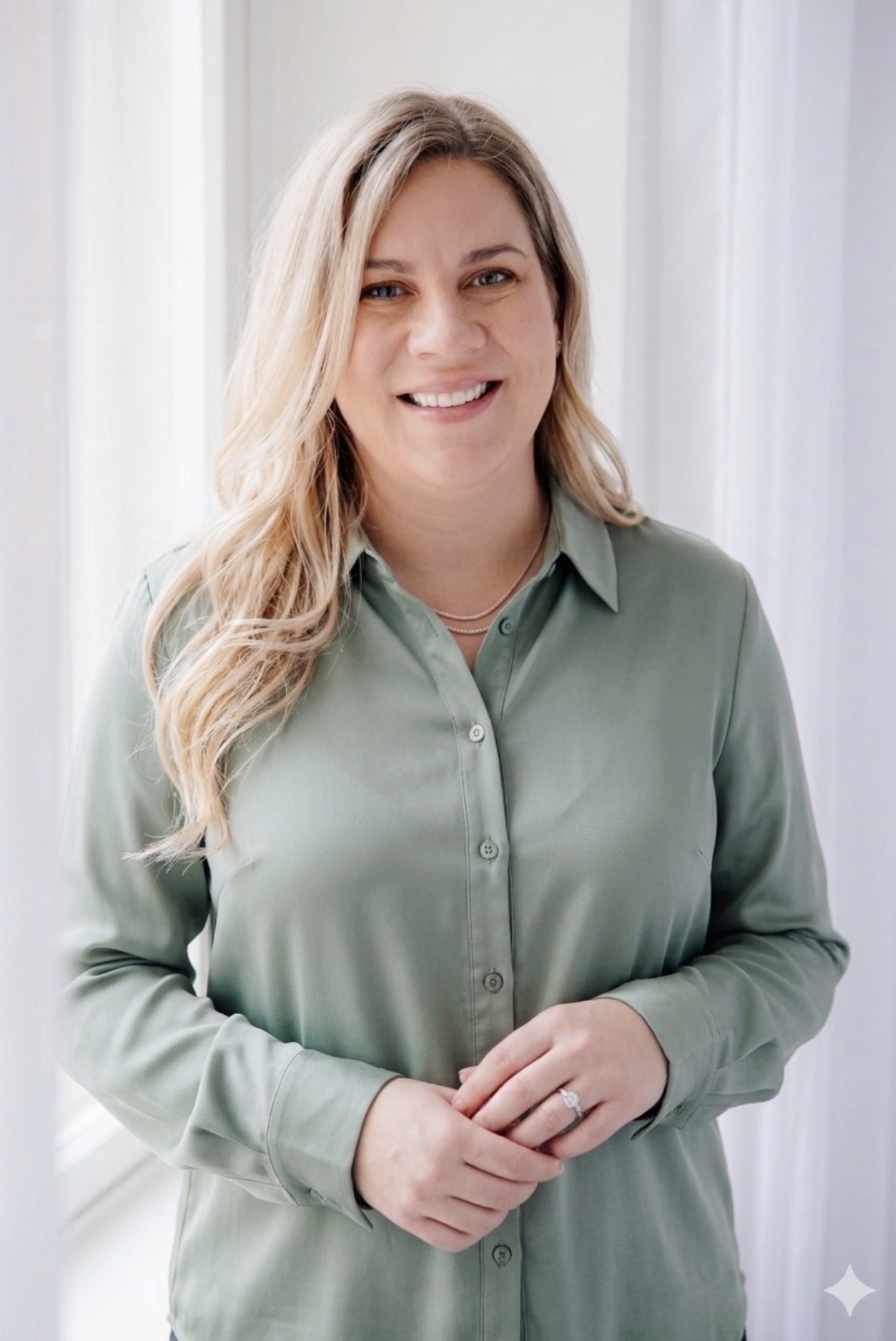
Author
Bettina Paasila
Speech and language therapist
Looking for information about speech therapy?
Sensis Terapia offers speech therapy for children and support for the development of speech, language and interaction.