The second birthday is approaching, but the words still aren't coming — or there are only a handful of them. Many parents start wondering at this point whether their child should already be talking more, and when it might be worth discussing this with a professional.
There is a lot of individual variation in children's speech and language development. One child starts using words early, while another spends longer gathering understanding and other communication skills before speech really takes off.
The number of words alone doesn't tell the whole story, though. Alongside speech, it's worth looking at the child's communication as a whole.
What is generally expected of a 2-year-old's communication?
At two years old, many children already use various words and their first combinations of two or more words, such as "mummy give", "more milk" or "daddy's coming". Speech doesn't yet need to be fully clear to an adult.
Besides words, a child communicates in many other ways too.
For example, they may:
- point at things that interest them
- bring or show objects to an adult
- use gestures such as nodding and waving
- understand familiar words and instructions
- seek an adult's attention
- share their interests with another person
- imitate an adult's actions, gestures or words
It's important to look at these skills together with speech.
What if there are fewer than 50 words?
Around two years of age, a vocabulary of fewer than 50 words, and a child not yet combining words, are considered signs that make it worth following the child's language development more closely.
On its own, however, this doesn't mean the child has a language disorder.
Some children who start talking late later catch up with their peers in development. On the other hand, for some children, limited speech can be an early sign that language development needs more support.
That's why it's more important to look at the child's overall communication development than at a single number.
When is it worth seeking help?
It's worth discussing speech and language development at the child health clinic (neuvola) or with another professional who follows the child's development, especially if a parent has any concern about it.
A closer assessment may be worth considering, for example, if a two-year-old:
- uses very few words, or none at all yet
- doesn't combine words
- seems to understand speech only to a limited extent
- rarely points or uses other gestures to communicate
- doesn't try to share things of interest with an adult
- becomes very frustrated because of communication
- has lost words or other communication skills they previously used
In the last of these situations, it's a good idea to discuss the child's development with a healthcare professional without delay.
A parent's own observation matters too. If something about the child's communication feels worrying, it's worth raising, even if the child doesn't fit any single item on a list.
You may also want to read our broader article: When does a child need speech therapy?
Understanding and gestures say a lot
When a two-year-old talks very little, it's helpful to look especially at how they understand language and how they communicate without speech.
Does the child understand familiar everyday expressions, for example? Can they go and get their shoes when it's time to go outside? Do they react to the names of familiar things and people?
And how does the child share their own thoughts? Do they point at what they want, bring an object to show, look at an adult to get their attention, or use various gestures?
A child can have a lot of communication going on even when spoken words are still few. These skills form an important foundation for later language development.
How can you support speech development at home?
Supporting language doesn't have to mean separate practice sessions. A young child's language develops, above all, through ordinary shared everyday life.
For example, you can put into words whatever your child is interested in at that moment. If the child points at a dog, you might say: "Dog! The big dog is running."
When the child says one word, you can expand on it a little. If the child says "car", an adult might respond with, for example, "yes, a red car" or "the car is driving".
Give the child time to take initiative too. You don't need to ask questions about everything or get the child to repeat things. A glance, a gesture, a sound, pointing and handing over an object are all communication that an adult can respond to.
Shared play, looking at picture books, songs, rhymes and chatting about ordinary daily events all offer plenty of natural opportunities to learn language.
The most important thing isn't to get the child to perform speech, but to make communication enjoyable, meaningful and reciprocal.
What if the child is growing up in a multilingual family?
Multilingualism itself does not cause a speech or language development disorder.
A multilingual child's vocabulary can be spread across different languages. The child might, for example, know the name of one thing in one language and another thing in a different language. That's why the word count in just one language alone doesn't give an accurate picture of the child's language skills.
Parents should speak to their child in the languages they themselves speak most naturally, and in which interaction with the child feels rich and genuine.
If there's concern about language development, a multilingual child's skills should be looked at as broadly as possible, across their different languages and in various everyday environments.
Read more about this in our article A multilingual child's language development — when is it worth worrying?.
A speech and language therapist's assessment can bring clarity
A speech and language therapist's assessment doesn't just count the child's words.
It can look at things such as:
- understanding of speech
- vocabulary and language development
- use of gestures and other communication methods
- interaction and joint attention
- play
- speech production
- the way the child makes communicative initiatives
The aim is to form an overall picture of where the child's communication and language development stands, and whether the child or their immediate environment needs support.
If you're wondering what speech therapy could look like in practice for your child, also read our article What happens in speech therapy?.
Not every two-year-old needs to be the same
Language development doesn't proceed on the same timetable for every child, and a single developmental milestone doesn't yet tell the whole story.
If a two-year-old talks little, there's no need to panic — but there's also no need to keep wondering about it alone.
If your child's speech, understanding or interaction development is on your mind, it's fine to bring up the concern at the child health clinic. If needed, the child's communication and language development can be assessed more closely.
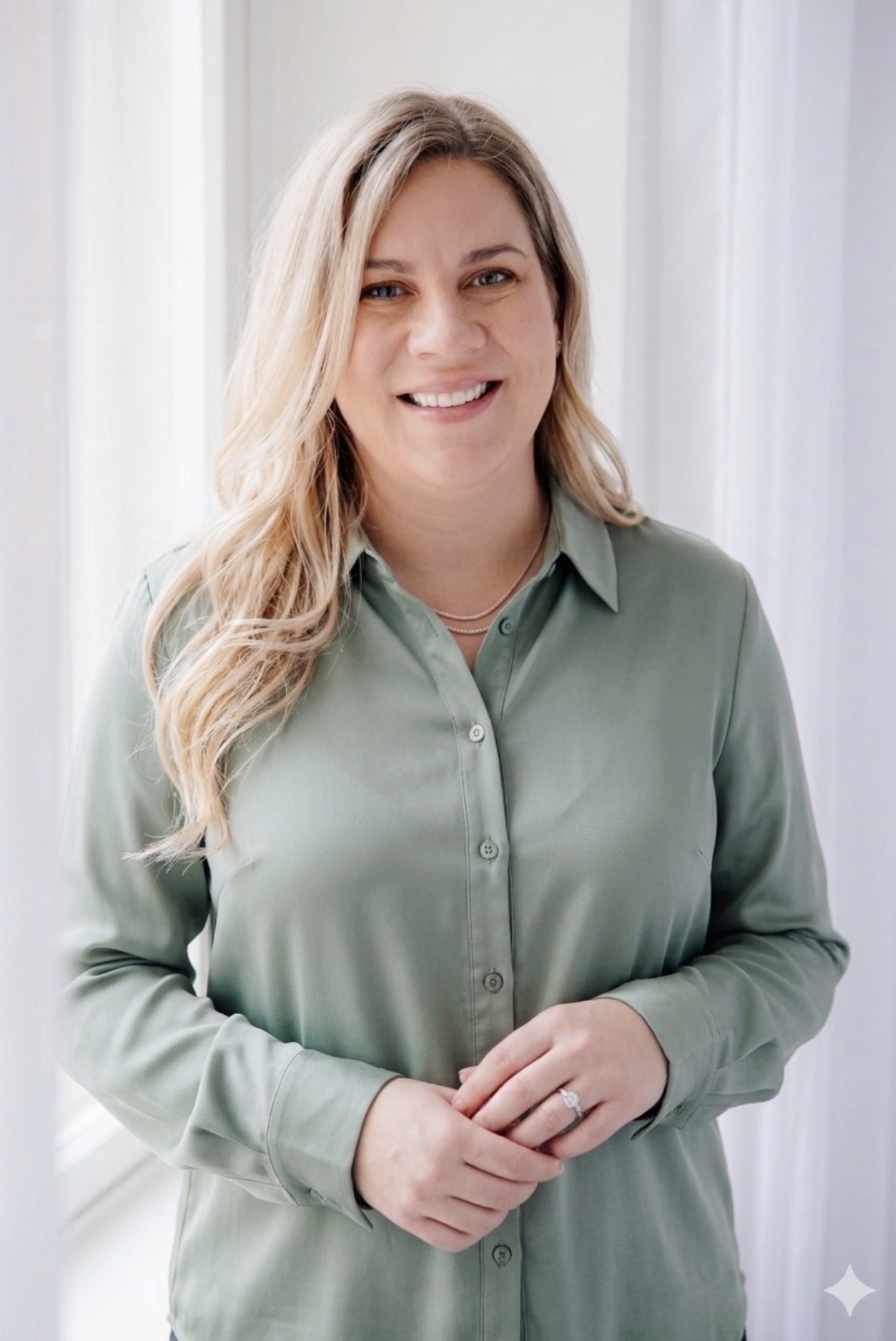
Author
Bettina Paasila
Speech and language therapist
Looking for information about speech therapy?
Sensis Terapia offers speech therapy for children and support for the development of speech, language and interaction.